Chromolecular Oncology and Uncharted Therapeutic Pathways for Advanced Molecular Research
Exploring Molecular Complexity and New Frontiers in Therapeutic Science
The continuous evolution of molecular science has transformed the way researchers investigate cellular behavior, biological regulation, disease-associated mechanisms, and therapeutic possibilities. Advances in molecular biology, biochemistry, analytical characterization, and computational investigation have created new opportunities to examine biological systems at increasingly detailed levels. Within this evolving scientific landscape, oncology represents a particularly complex field in which molecular interactions, cellular adaptation, genetic variation, and environmental influences converge to shape biological outcomes.
Chromolecular Oncology and Uncharted Therapeutic Pathways for Advanced Molecular Research establishes an interdisciplinary scientific perspective focused on understanding molecular complexity and exploring the biological principles underlying therapeutic discovery. By connecting molecular characterization with cellular investigation and advanced analytical approaches, this field emphasizes the importance of examining biological mechanisms before drawing conclusions about their potential therapeutic relevance.
The study of cancer-associated molecular processes requires more than the identification of individual genes or proteins. It involves investigating the relationships between molecular structures, biochemical reactions, intracellular signaling pathways, cellular communication, and changes in the surrounding microenvironment. These relationships form interconnected networks that influence cellular function and may contribute to the development, progression, and adaptation of pathological states.
A comprehensive research perspective therefore combines experimental evidence, analytical precision, computational interpretation, and critical scientific reasoning. Through this integrated approach, molecular research can generate more precise hypotheses, clarify biological relationships, and establish new directions for investigating complex therapeutic questions.
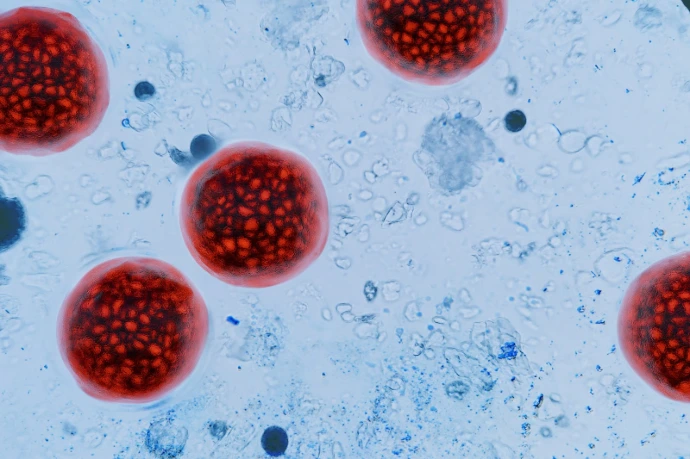
Molecular Oncology: Investigating the Foundations of Cancer Biology
Cancer is a heterogeneous group of diseases characterized by complex alterations in cellular regulation and tissue organization. Its biological development may involve genetic mutations, epigenetic modifications, changes in gene expression, abnormal signaling activity, altered metabolism, and interactions between cells and their surrounding environment.
Molecular oncology examines these processes to understand how changes at the molecular level influence cellular behavior. By investigating the mechanisms that regulate proliferation, differentiation, survival, and communication, researchers can explore the biological relationships that contribute to tumor development and progression.
One important aspect of this investigation is the study of molecular signaling networks. Cellular signaling allows biological systems to receive, process, and respond to internal and external information. Changes in signaling activity may influence the expression of regulatory proteins, the activation of enzymes, and the coordination of cellular responses. Understanding these relationships requires careful examination of the molecular components involved and the conditions under which particular pathways become active.
Another important area concerns the regulation of genetic information. Transcriptional mechanisms, regulatory proteins, noncoding RNA molecules, and epigenetic processes influence how genetic instructions are interpreted within cells. Investigating these mechanisms helps researchers examine the relationships between molecular regulation and the functional characteristics of different cellular populations.
The complexity of cancer biology also highlights the importance of studying variability. Molecular characteristics can differ between tumors, between regions of the same tumor, and over the course of disease progression. These differences may influence experimental observations and complicate the interpretation of therapeutic responses.
Through molecular characterization and comparative analysis, researchers can investigate these variations and develop a more detailed understanding of the biological processes that distinguish different cancer contexts.

Key Areas of Molecular Investigation
Genetic alterations and their functional consequences.
Epigenetic regulation and transcriptional control.
Intracellular signaling and biochemical communication.
Cellular proliferation, differentiation, and programmed cell death.
Tumor heterogeneity and molecular adaptation.
Interactions between tumor cells and the surrounding microenvironment.
Molecular mechanisms associated with therapeutic sensitivity and resistance.

Chromolecular Perspectives: Connecting Molecular Structure and Biological Function
Understanding biological function requires an appreciation of the relationships between molecular composition, structural organization, chemical properties, and cellular context. Proteins, nucleic acids, lipids, and other biological molecules participate in dynamic interactions that sustain cellular activity and regulate physiological processes.
The term chromolecular is used here as a distinctive editorial concept for exploring connections between molecular organization, cellular biology, and oncology-related research. It does not designate a formally established scientific discipline. Within this framework, molecular structure and biological function are considered complementary dimensions of scientific investigation.
Proteins provide an important example of this relationship. Their structural configurations influence molecular recognition, binding interactions, enzymatic activity, and participation in cellular signaling. Changes in amino acid sequences, protein folding, post-translational modifications, or interactions with other molecules may alter biological activity.
Similarly, nucleic acids participate in the storage, transmission, and regulation of genetic information. Changes in DNA sequence, RNA processing, transcript abundance, or regulatory interactions can influence the production and activity of cellular components. These mechanisms are particularly relevant when investigating differences in gene expression between experimental conditions or biological samples.
Molecular interactions are also influenced by the biochemical environment. Temperature, pH, ionic conditions, molecular concentration, and the presence of interacting compounds can affect the behavior of biological molecules. Consequently, reliable molecular investigation depends on appropriate experimental conditions and careful consideration of the limitations associated with individual analytical methods.
An integrated molecular perspective encourages researchers to connect structural observations with functional measurements. Rather than interpreting a molecular change in isolation, investigators can examine whether that change corresponds to measurable differences in cellular activity, biochemical behavior, or other experimentally supported outcomes.
Uncharted Therapeutic Pathways: Exploring New Research Hypotheses
Therapeutic discovery begins with scientific questions about the mechanisms responsible for biological dysfunction and the possibility of influencing those mechanisms through carefully evaluated interventions.
In oncology, the investigation of therapeutic pathways may involve examining molecular targets, cellular responses, signaling networks, biochemical interactions, and mechanisms associated with treatment resistance. These investigations can help establish hypotheses about biological activity and identify questions that require additional experimental evidence.
Molecular target research is one component of this process. Researchers may investigate proteins, enzymes, receptors, regulatory molecules, or other biological components that participate in disease-associated processes. Understanding the role of a potential target requires examining its biological function, molecular interactions, expression patterns, and relationship with relevant cellular outcomes.
Another component concerns the characterization of compound–target interactions. Biochemical and biophysical methods can provide information about molecular binding, structural compatibility, and interaction properties. However, evidence of binding alone does not establish that a compound will produce a useful therapeutic effect. Additional investigations are needed to evaluate biological activity, selectivity, toxicity, and the relevance of observed effects to more complex biological systems.
Cellular response analysis provides a complementary perspective. Experimental models can be used to examine changes in viability, proliferation, metabolism, gene expression, or signaling activity under defined conditions. Appropriate controls, validated measurement methods, and reproducible procedures are essential for distinguishing meaningful observations from experimental variability.
The investigation of resistance mechanisms represents another important research direction. Biological systems can adapt to environmental pressures through changes in signaling, gene regulation, metabolism, and cellular interactions. Studying these adaptations may help researchers formulate hypotheses about why particular interventions have different effects under different conditions.Read article
Research Directions in Therapeutic Exploration
Molecular Target Characterization
Investigating the structure, function, expression, and biological significance of molecular components associated with cancer-related processes.
Compound–Target Interaction Analysis
Examining the chemical and biological properties of molecular interactions through suitable biochemical, biophysical, and computational methods.
Cellular Response Characterization
Evaluating experimentally measurable changes in cellular behavior to understand how biological systems respond to defined conditions.
Mechanisms of Therapeutic Resistance
Investigating molecular and cellular adaptations that may contribute to reduced responsiveness or changes in treatment-associated outcomes.
Experimental Validation
Combining complementary analytical approaches, appropriate controls, and reproducible experimental procedures to determine whether initial findings are supported by additional evidence.
Advanced Molecular Characterization and Analytical Precision
Modern molecular research depends on the ability to characterize complex biological samples and obtain reliable information about their composition, structure, and behavior. Analytical technologies contribute to this objective by enabling researchers to investigate different molecular properties and compare observations across experimental conditions.
Chromatographic techniques can separate components within complex mixtures and support their subsequent identification or quantification. Depending on the analytical objective, these methods may be combined with mass spectrometry to investigate molecular composition and obtain information about the identity of detected compounds.
Spectroscopic techniques provide complementary information about the interaction between matter and electromagnetic radiation. Their applications vary according to the molecular properties under investigation and may include structural characterization, chemical identification, and analysis of changes in sample composition.
Molecular biology techniques offer another dimension of characterization. Polymerase chain reaction methods, quantitative gene expression analysis, sequencing approaches, and other molecular assays can support the investigation of genetic information and regulatory processes. The interpretation of these measurements requires attention to sample quality, assay specificity, normalization procedures, and the limitations of the experimental design.
Protein-focused approaches can provide information about molecular abundance, structural characteristics, post-translational modifications, and interactions. When integrated with gene expression and biochemical measurements, these approaches can help researchers investigate relationships between transcriptional regulation and protein-level outcomes.
The selection of an analytical method should always reflect the research question. No single technology provides a complete description of a complex biological system. Combining complementary methods may improve the interpretation of findings, provided that the limitations and assumptions associated with each technique are clearly understood.
Principles of Reliable Analytical Investigation
Appropriate selection and preparation of biological samples.
Validation of analytical methods for their intended applications.
Use of suitable positive, negative, and technical controls where appropriate.
Evaluation of measurement precision, accuracy, and reproducibility.
Transparent documentation of experimental procedures.
Critical assessment of detection limits and potential sources of bias.
Independent confirmation of important findings whenever feasible.
Molecular Biology and the Regulation of Cellular Systems
Cells function through coordinated networks of molecular interactions that regulate their responses to internal signals and external conditions. Gene expression, protein synthesis, intracellular transport, metabolic activity, and cellular communication operate together to maintain biological function.
Investigating these mechanisms requires an understanding of how molecular information is converted into measurable cellular behavior. Gene expression analysis, for example, can reveal differences in transcript abundance between experimental conditions. Nevertheless, changes in transcript levels do not necessarily correspond directly to changes in protein abundance or biological activity.
This distinction is important when interpreting molecular research. A transcriptional observation may identify a regulatory pattern, but additional measurements may be required to establish its functional significance. Protein characterization, enzyme activity measurements, imaging, and cellular assays can provide complementary evidence.
Cellular signaling represents another major area of investigation. Signaling networks frequently involve multiple interacting proteins and regulatory feedback mechanisms. The same molecular component may participate in different pathways depending on cellular context, localization, and the availability of interacting partners.
Research into cellular stress responses also illustrates the interconnected nature of biological systems. Oxidative stress, inflammatory signaling, metabolic changes, and disruptions in protein homeostasis may influence one another. Their relationships can be investigated using complementary biochemical, molecular, and cellular measurements.
A systems-oriented approach therefore considers biological mechanisms as interacting networks rather than isolated events. This perspective can help researchers develop more comprehensive experimental hypotheses and identify potential relationships that require further testing.
Computational Analysis and Molecular Data Integration
The growing volume of molecular data has increased the importance of computational approaches in biological research. Sequencing technologies, gene expression assays, proteomic studies, and high-throughput screening can generate datasets that require systematic processing, quality assessment, statistical analysis, and biological interpretation.
Computational analysis can help organize complex datasets, identify patterns, compare experimental groups, and investigate relationships between molecular variables. Bioinformatics methods support sequence analysis, functional annotation, molecular interaction analysis, and the interpretation of biological networks.
Statistical reasoning is essential throughout this process. Researchers must distinguish reproducible patterns from random variation and account for factors such as sample size, measurement uncertainty, multiple comparisons, and potential confounding variables.
Data integration offers additional opportunities. Combining information from different experimental platforms may reveal relationships that are not apparent when each dataset is analyzed independently. However, differences in measurement scale, experimental design, sample composition, and data quality can complicate integration.
Computational predictions should therefore be treated as research hypotheses rather than definitive evidence. Predicted molecular interactions, candidate targets, and computationally identified associations generally require appropriate validation before conclusions about biological function can be established.
The combination of computational investigation and experimental characterization supports a more rigorous approach to molecular discovery. It allows researchers to prioritize questions, examine alternative explanations, and design experiments that address specific uncertainties.
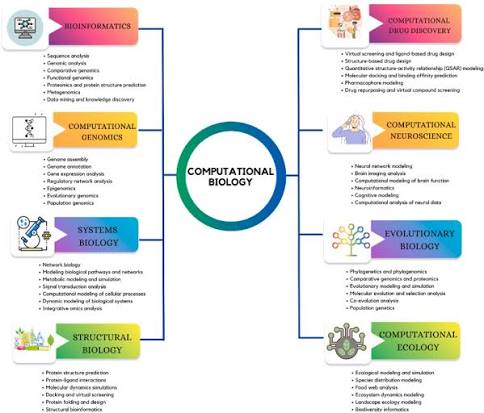
Emerging Research Perspectives in Molecular Therapeutics
Advances in molecular characterization, computational biology, and analytical technologies continue to expand the possibilities for investigating complex biological questions. New approaches can improve the resolution of molecular measurements, support the examination of cellular heterogeneity, and facilitate comparisons across different experimental systems.
Single-cell analysis, for example, enables researchers to examine molecular differences between individual cells within a heterogeneous population. Spatial molecular approaches can provide additional information about the organization of biological features within tissues. These technologies offer new opportunities to investigate how cellular identity, molecular activity, and local environment interact.
Structural biology and molecular modeling contribute complementary methods for investigating molecular architecture and potential interactions. When combined with experimental measurements, these approaches can help refine hypotheses about molecular recognition and biological activity.
Artificial intelligence and machine learning are also increasingly applied to biological data analysis. Depending on the quality and suitability of the data, computational models can help identify patterns, classify observations, or generate predictions for further evaluation. Their results must be interpreted in light of model limitations, dataset composition, validation procedures, and the possibility of bias.
The value of emerging technologies ultimately depends on the scientific questions they address and the reliability of the evidence they produce. Technological sophistication alone does not guarantee biological insight. Meaningful progress requires the integration of appropriate methods with sound experimental design and careful interpretation.
Scientific Rigor, Reproducibility, and Research Integrity
Reliable scientific progress depends on the quality of the methods used to generate and interpret evidence. Research findings become more informative when experimental procedures are documented clearly, analytical decisions are justified, and limitations are acknowledged openly.
Reproducibility is particularly important in molecular and pharmacological research because small differences in sample preparation, assay conditions, reagent quality, or data processing may influence observed outcomes. Appropriate controls and standardized procedures can help researchers identify potential sources of variation and evaluate the consistency of their findings.
Statistical analysis should reflect the experimental design and the nature of the collected data. Researchers must distinguish statistical significance from biological importance and avoid drawing conclusions that exceed the evidence. Transparent reporting of uncertainty and alternative explanations strengthens the scientific value of an investigation.
Data integrity is equally essential. Accurate documentation, responsible data management, traceable analytical procedures, and honest reporting provide the foundation for reliable interpretation and subsequent validation.
These principles are not separate from scientific discovery. They are fundamental conditions that allow researchers to assess the credibility of new observations and determine which hypotheses deserve further investigation.

A Forward-Looking Perspective on Therapeutic Discovery
The future of molecular therapeutic research will depend on the ability to transform increasingly detailed biological observations into meaningful, testable scientific questions. Progress will require the integration of experimental methods, computational interpretation, advanced analytical characterization, and a rigorous understanding of biological variability.
New molecular technologies may reveal previously unrecognized relationships between biological components. Improved analytical methods may provide more precise measurements, while computational approaches may help researchers examine large and interconnected datasets. These developments can support the formulation of new hypotheses, but their conclusions must remain grounded in appropriate experimental evidence.
Therapeutic discovery is not a linear process. Research questions evolve as new findings emerge, hypotheses are revised, and experimental results reveal unexpected relationships. This iterative process makes critical evaluation and reproducibility essential components of continued progress.
Chromolecular Oncology and Uncharted Therapeutic Pathways for Advanced Molecular Research adopts this forward-looking perspective by emphasizing molecular complexity, interdisciplinary investigation, and the responsible interpretation of scientific findings.